

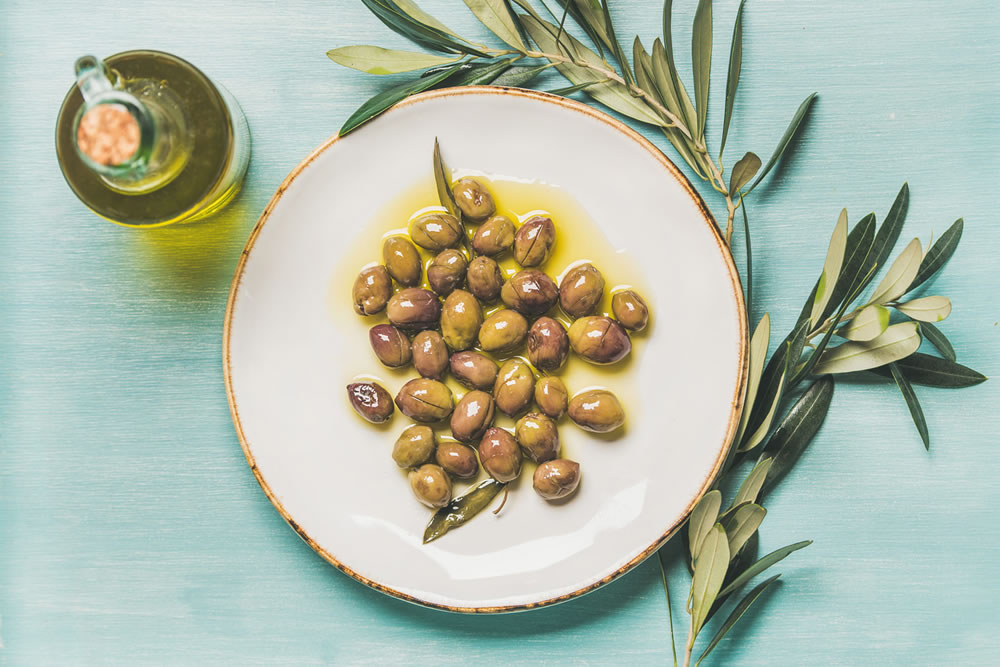
At the end of October in Kafouros, the first green olives are pressed before sunrise. Their juice runs sharply bitter and grassy, nothing like the golden mellow oils that fill supermarket shelves. In Crete’s groves, early harvest is a moment for serious attention, and its results are now finding a place on the refined tables of luxury hospitality.
Pouring freshness into the guest experience
In the tasting room at a hotel outside Chania, a sommelier drizzles vivid green oil onto a white plate alongside fresh bread. This isn’t the typical restaurant olive oil. Early-harvest ‘agoureleo’, as it’s called in Greek, is bright, pungent, and sometimes almost peppery—an immediate sensory signal of quality. It stands out to guests, many of whom have never tasted anything like it. The fresh, almost wild flavour opens a meal with a note of surprise, creating an impression that lingers long after the olives themselves have been harvested.
For high-end establishments, the table olive oil serves as both an ingredient and a quiet gesture of hospitality. When the oil is early-harvest, those first moments of a meal feel intentional. Guests notice the bite, the colour, the fleeting freshness that doesn’t last all year. It tells a story of place and care—they pour, dip, and discuss. For some, it’s the memory they carry: a single, outstanding taste that sets a new expectation.
Small yield, careful sourcing
Early-harvest oils come with limitations. On the Kafouros slopes, only a portion of the grove is picked in October, while much is left to mature for yield and gentle flavour. The oil from green, underripe fruit is precious: it takes far more olives to fill a tin, so each litre is handled carefully, destined only for kitchens that will use it well. In Crete, producers like SPHERA know that this means working closely with partners—chefs, stewards, and sommeliers who understand the effort that went before.
For hotel and villa kitchens, sourcing early-harvest oil isn’t an afterthought or a default purchase. It’s a deliberate decision. Bottles are smaller, quantities are seasonal, and there is always the subtle risk of running out before next year’s pressing. The upside is unmistakable: a product that speaks of hands-on expertise and climate, not simply branding. Luxury hospitality prefers excellence with a story; early-harvest oils bring both in each drizzle.
Versatility and restraint in practice
There’s little sense in hiding agoureleo under heavy sauces or behind strong spices. In luxury kitchens, it appears with restraint: brushed over charred octopus, dripped onto warm beans or seasonal greens, or simply brought out at breakfast. The oil’s personality means that even a small pour suffices. A chef at a boutique hotel in Chania said he saves it for a small, daily ritual—one table per night gets the first-press oil, offered with nothing but salt flakes and a smile.
Back-of-house staff treat these bottles as they would a rare vintage or wild honey: cool storage, careful decanting, and measured use. This respect appeals to modern guests—especially those seeking to understand where their food comes from. Early-harvest oils remind everyone that luxury isn’t about excess: it’s about focus and care, revealed in something as simple as oil on bread.
In the world of luxury hospitality, the difference is found in details. The first, green olive oil of the season offers one such detail—a quiet but defining gesture from grove to table.
Reserve Harvest 2026 allocation
Request bottle presentation and technical dossier, discuss trade allocation, or join the private waitlist for the next early harvest from Kafouros, Crete.