

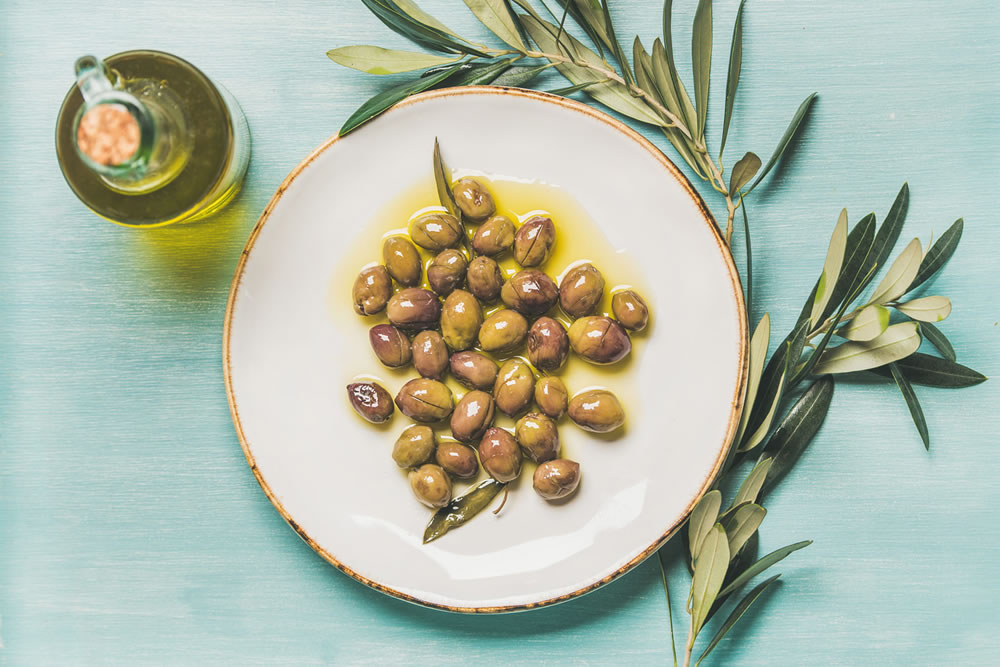
In our kitchen near Kafouros, a loaf of sourdough from the village baker rests on the wooden table, its crust still warm from the stone oven. There’s no fussiness—just a deep plate for oil, a scattering of coarse salt, and long, honest slices torn off for dipping. This ritual, as natural as breathing, speaks to how bread, beans and wild greens depend on real olive oil to show their full depth.
Bread in a pool of oil
Every few mornings, someone in the family walks down the lane to fetch bread still hot from the bakery in town. The loaves are dense with local wheat and last all week, their flavour intensifying rather than fading. In Crete, bread is rarely eaten dry; it’s dipped, drenched, or drizzled with olive oil before anything else. A morning might begin with paximadi—twice-baked barley rusks—softened in water and finished with tomato and sharp, green oil.
A good olive oil doesn’t sit on the surface; it soaks into the crumb, carrying its grassy, peppery edge to every bite. The quality is plain to taste. Fresh oil conjures the scent of cut branches and earth, not the heavy dullness of something old. On days when nothing else is on hand, bread and oil are enough: filling, nourishing, and quietly satisfying, especially when the oil comes from the year’s own harvest.
Beans transformed by oil
Once a week, a pot of dried white beans goes on the hob, with a lone bay leaf, carrot and onion. The trick comes at the end, when a good measure of olive oil is poured over the beans while they are still steaming, creating a gentle gloss and coaxing the earthy creaminess to the fore. Without this step, even the best beans taste flat.
Fasolada—a simple bean stew—takes on its final character from oil added just before serving. With the right oil, a plain bowl of legumes leans towards something memorable. Sometimes, a squeeze of lemon or a pinch of oregano joins the beans, but really, it’s the oil that carries flavour and comforts the stomach. From winter to spring, this steady dish never loses its quiet place at the table.
Greens gathered, oil poured
In the fields around Kafouros, spring delivers dandelion, chicory, and wild fennel—horta. Gathering these greens is a patient job, usually done before noon while the leaves are still crisp. At home, the stalks are trimmed, and the pile is dropped into boiling water just long enough to soften. The result is not a salad in the restaurant sense but a plateful of vivid weeds, drained and waiting.
Here, too, oil is indispensable. It pools across the greens and runs between leaves, tempering any bitterness and bringing out delicate flavours. Salt and lemon are given a turn, but it’s the olive oil that forms the bridge between wildness and nourishment. This plate, a mainstay for supper or a quick lunch, is one of the sharpest reminders that the best olive oil works not in the background, but at the very centre of these everyday foods.
A bottle of fresh olive oil on the table is less a luxury and more a quiet certainty: bread, beans, and greens all wait for this, absorbing its qualities and holding them in plain view.
Reserve Harvest 2026 allocation
Request bottle presentation and technical dossier, discuss trade allocation, or join the private waitlist for the next early harvest from Kafouros, Crete.