

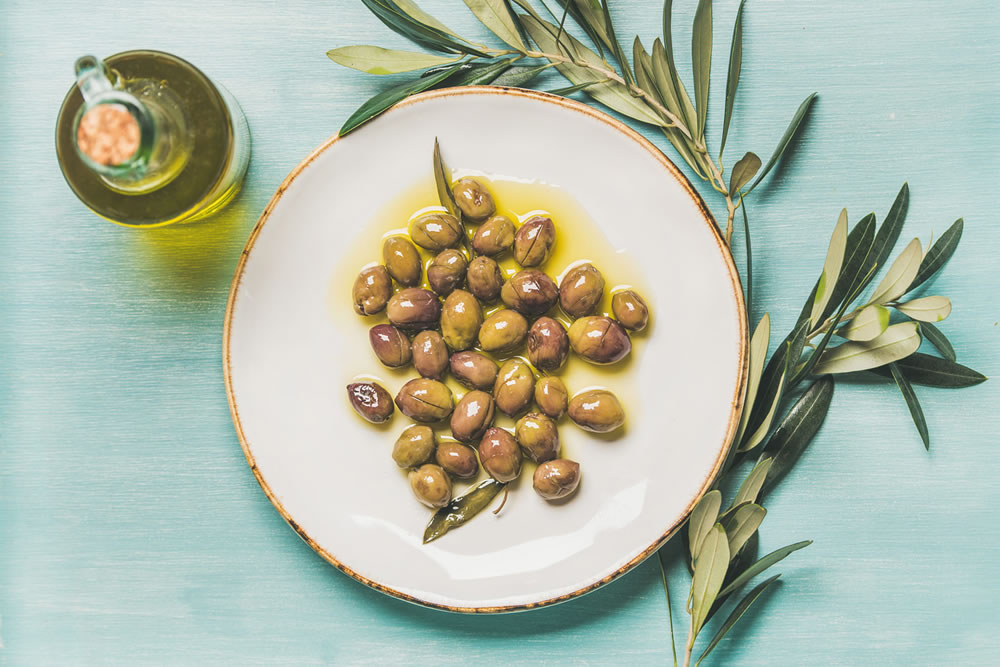
At our table in Kafouros, lunch always begins with hunks of day-old sourdough and a small white bowl slicked with green-gold olive oil. If we’ve just bottled a batch of high-phenol oil, someone will inevitably mention it—sometimes with pride, occasionally with a wink—then pass the bread around. I’ve learned that sharing these bottles with guests means being clear, concrete, and quietly practical, rather than starting with a lecture on antioxidants or health claims.
Letting the oil speak, not the bottle
When friends arrive, I place the olive oil bottle in the centre of the table but never introduce it with a detailed backstory. Instead, I give each guest a shallow pour in a small dish. The aroma unfolds—the sharp, grassy scent that signals its youth and potency, even before the first bite. No one needs a lecture: the taste is upfront, assertive, catching the back of the throat with peppery bitterness.
In Crete, there’s a quiet confidence about oil like this. We don’t rush to list phenolic concentrations or repeat headlines. Pour, dip, and eat: it’s understood that authenticity lives in flavour and freshness, not in bold claims. If someone asks about the distinctive kick, then I’ll mention the phenols and where the olives grew, simply and factually, without drifting into promises.
Steering conversation to the table, not the health claims
When guests press for more detail—perhaps out of curiosity after a coughed swallow—I keep to the specifics: ‘We harvest the Koroneiki olives quite early, before the autumn rain.’ I might mention the local mill or the timing, but I avoid a list of benefits. People want to know how and why, not a laboratory’s worth of data.
If someone insists on nutrition, I offer simple context. ‘High-phenol oils like this tend to be pungent and a bit bitter. That’s a sign of the antioxidants that help keep the oil stable and fresh.’ There’s no room for miracle language. Around here, we talk about shelf life, flavour, and tradition long before jumpstarting into grand health promises.
Matching oil to food in practice
To share the oil well, I bring out familiar Cretan dishes—bitter greens, simple beans, maybe slices of ripe tomato—and let the oil play its natural part, without making it the star of a stage show. Guests taste it directly on bread, in the vegetables, and on the fresh cheese. The balance in the meal says more than an enthusiastic label ever could.
Often, the conversation returns to what’s on the plate: the bread soaking up peppery brightness, the earthiness of wild greens moderated by a spoonful of oil, the clean finish it leaves after the beans. I watch people discover it for themselves—sometimes with a comment, sometimes quietly. The best introduction is this: clear, honest sharing, rooted in taste and memory, not in selling points.
Bringing high-phenol olive oil to the table calls for consideration rather than promotion. Serve, taste, and let guests follow their own curiosity. The bottle can speak for itself, especially in good company and with honest food.
Reserve Harvest 2026 allocation
Request bottle presentation and technical dossier, discuss trade allocation, or join the private waitlist for the next early harvest from Kafouros, Crete.