

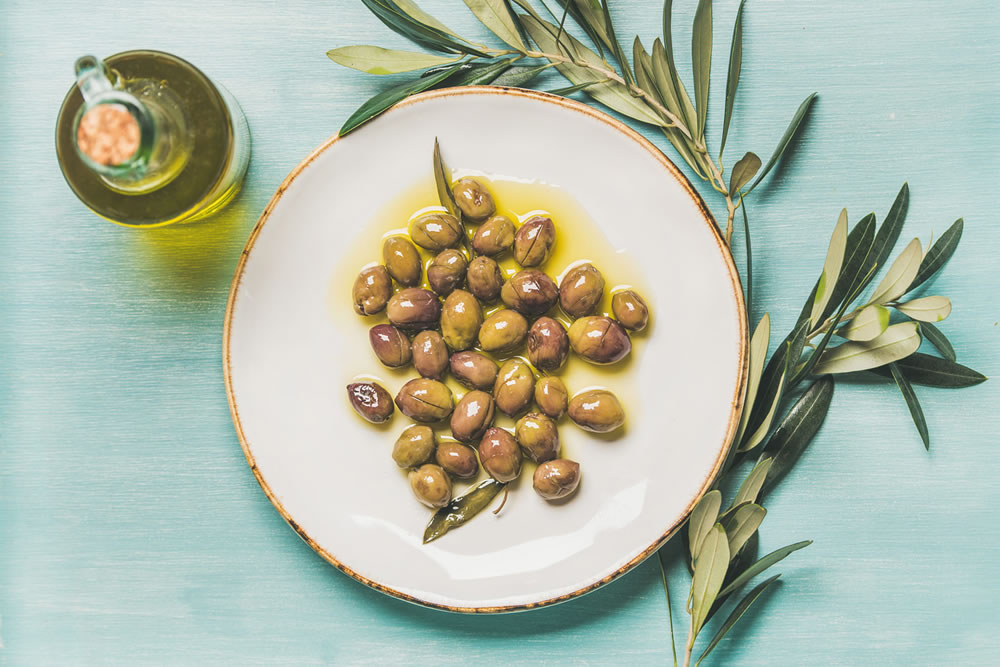
The tin of olive oil hardly looked impressive when I wrapped it in brown paper and slipped it beside my shoes, but when I handed it over in a London kitchen, its green-gold promise easily bested any box of baklava or painted ceramic. The Cretan olive oil gift is an act rooted in nourishment, not just nostalgia for bright days and blue Aegean views.
From grove to kitchen counter
In Kafouros, near Chania, families still pass down the habit of sending olive oil home. The freshly-pressed oil flows in October, and almost before it’s cooled in the tank, it’s siphoned into two-litre tins and sturdy PET bottles for friends and kin—some local, some scattered as far as Berlin or Manchester. Instead of feeling ornamental, these gifts are integrated naturally into daily cooking. The recipient might not think of the sunny field or the harvest tools, but they’ll notice the vivid pepperiness in their next pan of courgettes.
This particular substance complicates the idea of the travel souvenir. Most souvenirs—magnets, ceramics, postcards—fade into clutter. But a properly chosen Cretan olive oil makes its point at the table, drizzle by drizzle. Each splash is practical and personal: a ready ingredient for beans or bread, a memory that does more than gather dust. Whether sent in a sturdy SPHERA tin or another local label, the gesture lands as a willingness to share taste and possibility, rather than just scenery.
The real test: will they open it?
It’s tempting to treat good olive oil as too precious for daily use—especially when carried home in a suitcase, survived the anxious jostle of airport security, and then landed on a foreign shelf. Guests might say, “Oh, let’s save it for a special meal.” But oil stored too long, even in an elegant vessel, can stale or flatten. The best Cretan oil—peppery, grassy, resonant with fields and stone presses—should fill a salad bowl or frying pan, not wait for a future that never arrives.
In practice, the gift is completed only once a friend or relation tears off the foil seal, pours a green-gold thread onto wild greens, lentils, or simply bread. In Greece, it’s common to open a new tin for weekend lunch or a village feast. There’s no sense of rationing a rare find, just a steady, seasoned generosity. This is worth mentioning when gifting: the real pleasure of Cretan oil is in its use, not its display.
Packing and sharing it well
Before you travel, local shops around Chania display all manner of bottles and tins: some boldly export-ready, others unlabelled and meant for a neighbour’s cupboard. For gifting, it’s wise to choose a well-sealed tin, ideally 250ml or 500ml—secure yet compact enough for a suitcase or backpack. Swaddle it in a jumper or scarf and keep it upright if possible. It isn’t glamorous, but the freshness matters more than packaging: the recipient will taste the difference, especially if they usually buy from supermarket shelves.
When you give it, a few words make the difference. Explain what you love about this particular oil, or share how it’s used at home on Crete: spooned over horta, dressing boiled potatoes, or tipping into a pan for green beans and tomato. The best travel gift has a little story with it—not a sales pitch, but a window into how people actually eat, cook, and pass seasons together. The bottle is emptied quickly in many UK kitchens, fostering small, memorable acts long after the holiday is over.
The next time someone asks for a taste of where you’ve been, a little oil can say far more than a trinket from the airport shelf.
Reserve Harvest 2026 allocation
Request bottle presentation and technical dossier, discuss trade allocation, or join the private waitlist for the next early harvest from Kafouros, Crete.