

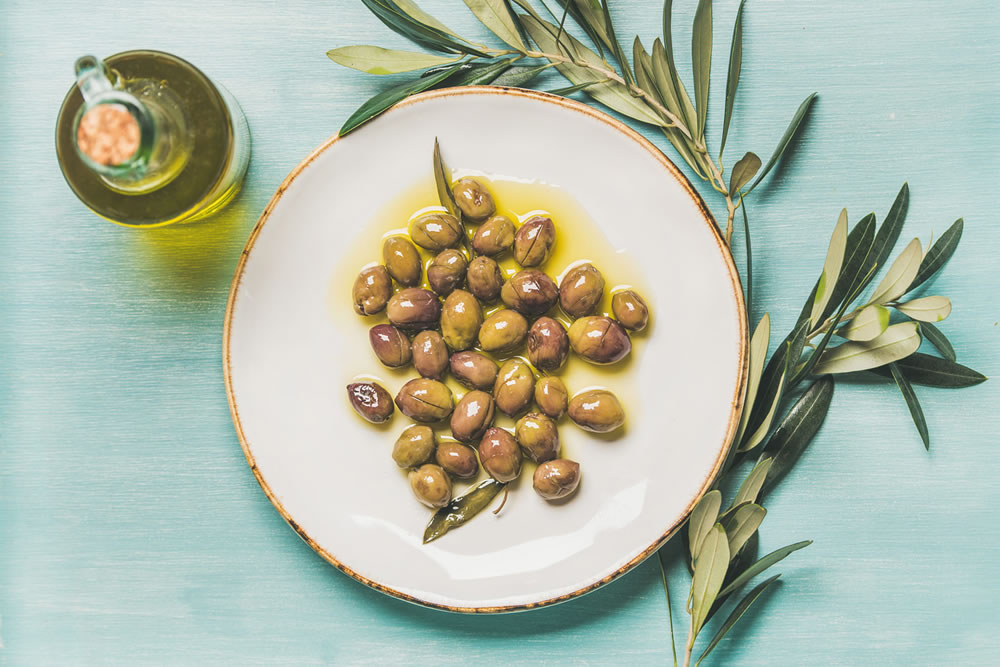
Early one morning in November, just after the first proper rain of the season, the nets are dragged beneath the olive trees in Kafouros. Pale green and purple fruit scatter across the mesh as sticks knock down the highest bunches. At this stage, choosing the exact day for harvest feels as consequential as any decision in the year: neither too soon, risking a raw taste, nor too late, when overripeness dulls the oil. The visual details of each tree, the softness of the olives, and the recent weather patterns all come together in this judgment call.
Reading the grove, tree by tree
Timing the olive harvest on Crete comes down to experience shaped by decades of attention. The Kafouros family walks the plots every few days from late October onwards, looking for the first signs of colour change known locally as veraison – when green turns to an almost dusty lavender, and the flesh yields slightly under gentle pressure. Some branches fatten up weeks before others just a few metres away. Early fruit signals high-tone grassy flavours but can bring an astringency that lingers on the palate.
On windy slopes, trees mature faster than those tucked into more sheltered corners. A sudden hot spell or a spell of cold northern winds can slow or accelerate ripeness, pushing families to adjust their plans nearly overnight. The conversation in local cafés turns practical: the rain forecast, the stage of the moon, and whether a neighbour has seen starlings or magpies picking at the uppermost fruit. The aim is to gather as many olives as possible at their best moment, even if that means covering only a few rows per day.
The window is narrow, and so is the margin for flavour
A single harvest window rarely stretches beyond fifteen days if oil quality is the main concern. Overripe fruit slip easily from the branch but produce mellower, less vibrant oils with a hint of fermentation. Underripe olives, though stubborn to dislodge, pack the highest antioxidant content and the sharp, peppery edge prized in early-season bottlings. But go too far in either direction, and the oil will lack balance.
In the Kafouros grove, it quickly becomes a practical matter: when to marshal enough hands, how to spread nets and fill crates before any rainfall can risk spoiling picked fruit. If the day runs long, olives wait overnight cool and dry, always protected from sun to avoid bruising or heat build-up that would start the oil degrading. All this effort seeks to preserve not just the shelf life, but especially the variety’s distinctive taste—a balance between cut grass, green almond, and a slightly bitter green apple edge.
From the field to the mill—still within hours
Once the harvest begins in earnest, there’s little pause. Full crates are carried to waiting vans and driven to the mill within hours. In rural areas of Chania, it’s common to see family cars loaded to their roofs, with the morning’s crop arriving at the local press for immediate processing. Timing is still critical: freshly picked olives processed the same day retain vivid green aromas and a gentle bite, compared to fruit stored overnight or longer, where just a few extra hours can shift the flavour towards flatness.
SPHERA’s own olives are handled this way: field to mill, as close to the picking hour as transport allows. The same logic applies across the groves clustered between the island’s hills and sea. Those narrow bands of readiness—when the fruit’s oil content, colour, and texture align—yield the most vivid, stable oils. In the end, the timing of the harvest is not just about efficiency or yield, but about capturing the year’s particular strengths in a form that can last far beyond the autumn picking season.
By the time the empty crates return to Kafouros, the nets are folded, and the fields quiet again, the work of timing is already absorbed into the flavour of the first pour of the new oil.
Reserve Harvest 2026 allocation
Request bottle presentation and technical dossier, discuss trade allocation, or join the private waitlist for the next early harvest from Kafouros, Crete.