

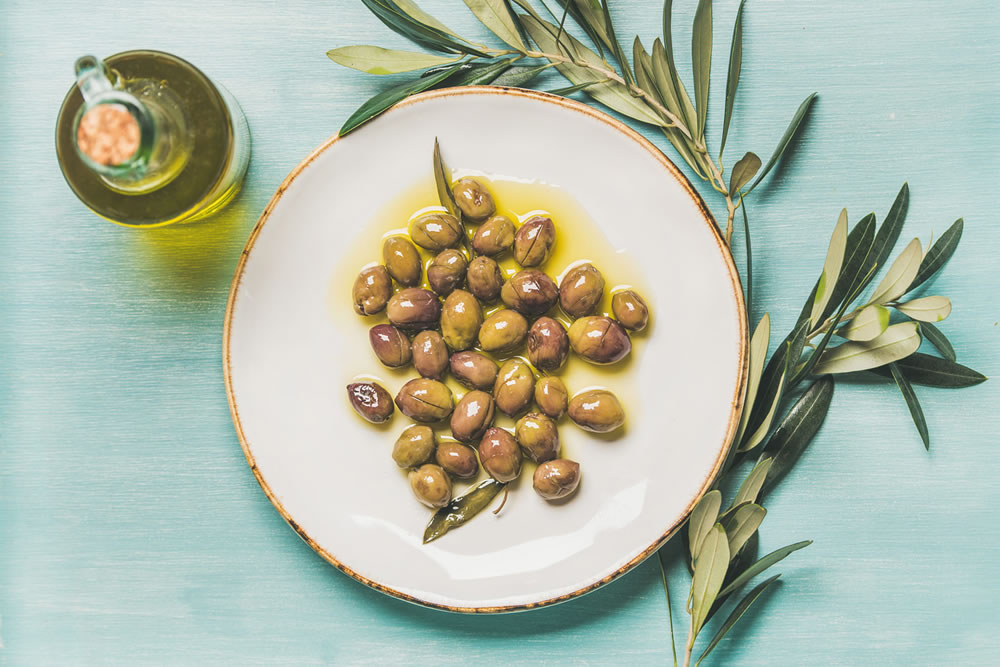
At the Kafouros olive press outside Chania, the new season’s oil arrives in battered blue barrels and spotless stainless drums. Some buyers take a quick sniff, but the best lean in for questions long before pouring begins. For retailers seeking premium extra virgin, the sharp green scent isn’t enough: authenticity, traceability, and genuine freshness hang on a handful of specifics that too often get skipped in a rush to list something ‘artisan’.
Talk to the producer, not just the distributor
A reliable distributor streamlines paperwork and shipping, but for premium shelf space, that can’t be the end of the story. The real answers are at the grove. Ask to speak with someone who actually handles the olives, manages the picking, or checks the mill’s temperature gauge. These are the people who know if fruit was picked by hand, if rain threatened the harvest, or if last year’s drought forced the family to skip the usual pruning cycle.
At the SPHERA groves east of Chania, most calls still go directly to the mill or the family’s small bottling workshop. On-the-ground conversations reveal details that importer labels rarely cover—like whether a harvest was early or late, and what motivated that timing. Trustworthy oils nearly always come from teams willing to share context, not rehearsed stories. Buyers can ask: Can I speak to the miller or grower? Can you describe a decision made during this last harvest? Answers should be plain, practical, and tied to specifics, not just marketing fluff.
See proof of freshness and storage conditions
The fate of an olive oil isn’t sealed at pressing. A cold, dark warehouse in western Crete smells faintly of drying leaves and locked-in acidity—it’s the scent of new oil stored right. Proper storage means topping tanks with inert gas, decanting regularly, and bottling close to shipment. Too often, oil sits for months in half-filled tanks, losing brightness and developing tired, waxy undertones that no amount of designer packaging can cover.
Retailers should ask for paperwork showing pressing and bottling dates, as well as where and how oil was kept in between. Request a sample bottled from a main batch, not a hand-filled “evaluation sample”; taste what customers will get. If a supplier hesitates, that’s a signal to probe further. With premium Cretan oil—like jars kept in the cool back room in Chania rather than above the shop heater—freshness is a matter of weeks, not just years printed on a label.
Get specific on origin, variety, and practices
The word “Crete” paints an appealing picture, but it isn’t a guarantee of quality. Ask for a precise grove location (village, valley, or even plot), and follow up with questions on olive variety and farm practices. Koroneiki dominates Crete, but each hillside differs—sometimes dramatically—depending on soil, sun, and how the family manages weeds and fertiliser. An honest producer tells you if the olives were sprayed, hand-picked, or left to fall onto nets. If you hear vague claims or sweeping statements, keep asking.
With SPHERA and similar small producers, this means showing exactly where the fruit comes from—a stand of old Koroneiki near Panagia, say, or a sloping field overlooking Souda Bay. If a brand names a region, they should say why it matters. Did this year’s mild winter yield fuller flavour? Was a traditional practice—like not irrigating after midsummer—responsible for the season’s vivid green notes? Buyers who drill down to these details help customers move past generic premium badges and find oils with genuine roots and taste.
Most premium buyers have strong instincts, but a few clear technical questions at the right moment make all the difference. In Crete, where mill and family routines shape every drop, specifics—never slogans—are the best guide.
Reserve Harvest 2026 allocation
Request bottle presentation and technical dossier, discuss trade allocation, or join the private waitlist for the next early harvest from Kafouros, Crete.