
Technical Dossier
How to read acidity and peroxide values without losing the bigger picture
An olive oil lab report puts acidity and peroxide value into precise figures. Beside a tasting glass, those numbers offer a useful starting point—but the bigger picture also includes flavour, handling and storage.
Reading the lab numbers
A lab report expresses free acidity as a percentage of oleic acid and peroxide value in milliequivalents of active oxygen per kilogram of oil. Under the International Olive Council standard, extra virgin olive oil must have free acidity at or below 0.8% and a peroxide value at or below 20. These are only two requirements: the oil must also meet the other chemical and sensory criteria for the category. A peroxide result alone does not establish the milling method or guarantee overall quality.
But the first taste always complicates things. An oil may fall within those two chemical limits yet still have sensory defects. Natural bitterness and peppery pungency, however, are positive attributes of virgin olive oil, not defects in themselves. Crete’s weather—one hot wind, one missed picking window—shows up not only in the figures but also in the persistence of green or the dullness of fruit. The clipboard is a tool, not a promise.
Beyond the lab numbers
The chemical limits are one part of the assessment. Sensory evaluation adds another: extra virgin oil must have a median sensory-defect score of zero and detectable fruitiness under the IOC panel method. Tasting at home helps you understand what you enjoy, but does not replace that formal assessment. Bitter almonds, slight grassiness, a slow pepper at the back of the throat—these signals cut across strict numbers. The classic Cretan ritual of spooning oil over just-cooked beans or wild greens is proof. An oil with decent stats but a dull palate never lingers on the table.
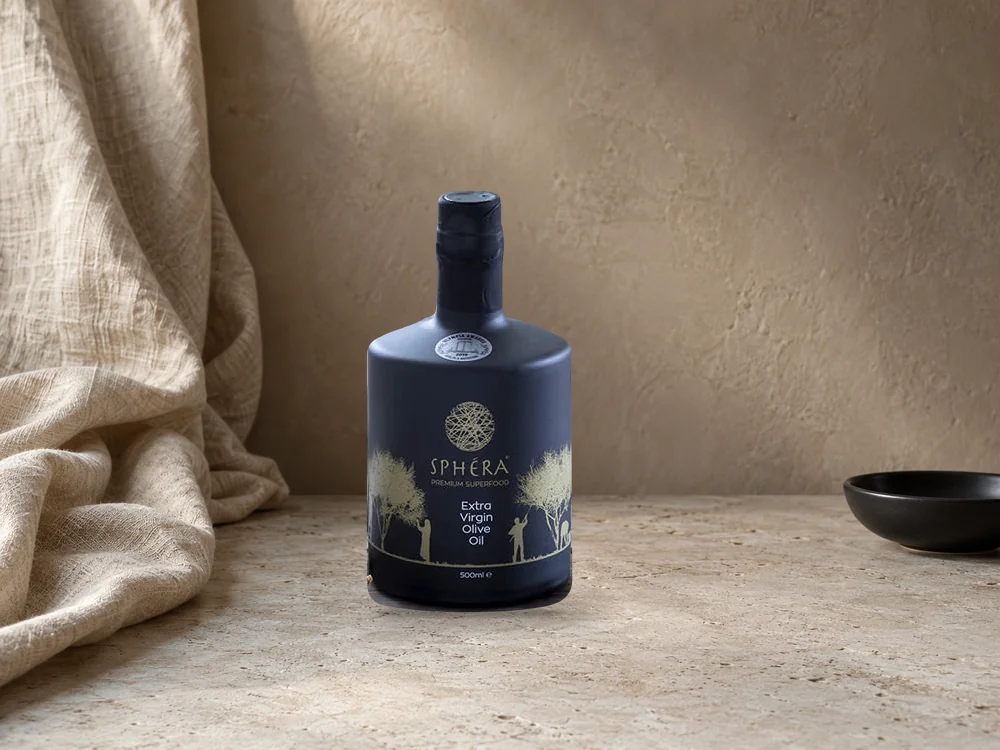
This focus extends to storage and handling, details that move quality beyond base figures. Dark glass and a well-closed cap help protect oil from light and air. Keep the container in a cool, dark cupboard away from the hob: heat, light and oxygen accelerate deterioration. Laboratory tests can assess a later sample, but an earlier report cannot guarantee how an oil has been stored since testing. These pragmatic details quietly determine what ends up on the plate.
The numbers in context
The reality is that acidity and peroxide values are snapshots. They describe the sample at the time of testing, after the handling and storage it has experienced so far. Low values at bottling are a starting point, not a promise of unchanged quality. The question is what remains a month, or half a year, later.
For home cooks and careful buyers, the trustworthy picture comes from watching both the numbers and the behaviour of the oil itself. Pour a little over good bread. Taste for green, for gentle heat. The lab report is a partner, not an oracle. Read it alongside the date of analysis, the batch it covers and the other available quality information. Then take care of the oil day to day, with cool storage, a closed cap and attention to its aroma and flavour every time the bottle opens.
Good oil depends on both careful quality checks and attention to everyday handling. The numbers matter most when they work together with time, place, and palate.
Further reading: IOC olive oil trade standard, sensory assessment method and consumer storage guidance.