

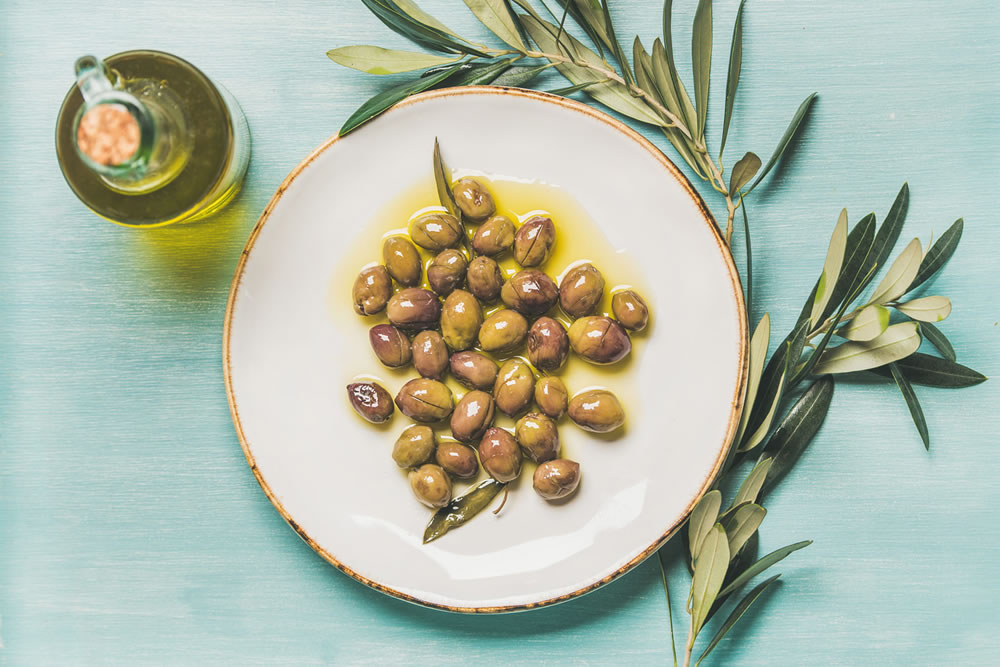
In my aunt’s Kafouros kitchen, there’s always a sturdy rectangular tin tucked beneath the stone shelf. It holds the previous autumn’s pressing—a soft green-gold oil that settles deeply into every meal. This is not an antique or a showpiece, but a constant, practical companion, no matter the season.
Where the tin rests
Most families in Crete buy or fill their tins just after the harvest. Once filled, the tins aren’t left out on the worktop; they’re eased into pantries and storerooms where the breeze coming from the hills keeps things a little cooler. In Kafouros, my uncle stores his largest tin under the stairs—three steps down from the kitchen, behind a muslin curtain. It’s kept away from sunlight, which would spoil the oil’s flavour and colour long before summer’s end.
The tin—usually holding about 17 or 18 litres—is made for hefting and refilling. Over the winter, the kitchen’s smaller glass bottle is topped up when needed, always from the tin. There’s a resisted temptation to pour straight from the heavy spout. Instead, a clean jug or ladle is used, helping protect the oil from dust or kitchen crumbs. The bigger tin is rarely seen during meals, but its quiet presence shapes the kitchen’s rhythm.
Keeping the oil fresh
Oxygen is the enemy here—second only to heat and light. Once a tin is opened, my aunt lines up the bottles: one for salad, one for stews, another for frying if the oil seems robust. She prefers smaller glass bottles, scavenged from juice or wine, sterilised with near-boiling water before first use. They are topped up just a little at a time, with the main tin swiftly re-capped and slid back into the dark.
Families who press their own oil don’t always filter it, so a layer of sediment may settle at the bottom of the tin by spring. Before this happens, there’s usually a gentle reminder at Sunday lunch: “start using from the other tin now.” Sediment left too long can turn the oil cloudy and sharp. The practical solution—pour the clearer top layers into a clean tin halfway through the year, leaving the lees for seasoning beans or brushing bread for the wood oven.
Buying, sharing, and gifting
Even among neighbours, the size of a family’s tin—a five-litre, a twelve, or an eighteen—says something about who lives there and how they cook. The largest tins are brought out at weddings or baptisms, when extended family descend and someone quietly fetches another from the storeroom. At other times, a cousin may arrive at the door with an empty five-litre and go home with it filled, the transaction settled over coffee or a produce swap.
For those living abroad, tin becomes a link to home. It’s not unusual for an uncle in Chania to pack a battered can into a suitcase flying to London or Berlin. The faint metallic rattle in the luggage is unmistakable. The oil inside is not just for cooking, but a quietly stubborn gesture—preserving flavour, memory, and a bit of the Cretan rhythm, wherever the pantry sits.
If you open a tin in the spring, there’s a moment when the year flickers past: careful hands, late afternoons, and the settled scent of fresh oil rising from under the lid.
Reserve Harvest 2026 allocation
Request bottle presentation and technical dossier, discuss trade allocation, or join the private waitlist for the next early harvest from Kafouros, Crete.