

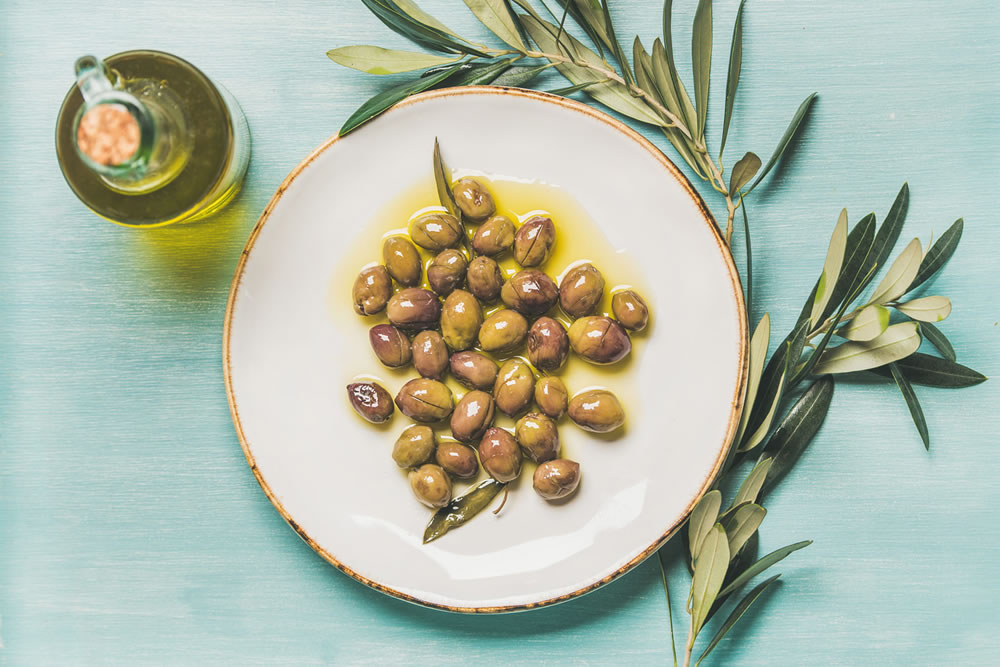
Before sunrise, the air around Kafouros is brisk and salted. Beneath olive branches heavy with unpicked fruit, nets unfurl across the terraces, catching the first hints of daylight on damp grass. Here in western Crete, harvest time begins not with fanfare, but with the quiet industry of hands and tools, the familiar rhythm of a season that’s both work and ritual.
Unrolling nets and old habits
By late autumn, village lanes near Kafouros are lined with bundled nets—each waiting to be spread beneath gnarled Koroneiki trees. For many families, the morning begins with a thermos of strong coffee, gloves tucked into belts, and the simple satisfaction of methodically unrolling green mesh along the uneven ground. It’s a small, deliberate choreography honed by repetition.
While machinery has made its way into the larger estates, most around Kafouros rely on open hands and wooden rakes. Harvesters tug at branches, coaxing pale-green olives to drop and roll across the nets. The surface is punctuated by the dull sound of fruit landing—occasionally interrupted by laughter, a dog barking at the edge of the grove, or the ring of metal buckets filling steadily.
First oil at the village mill
By midday, sacks of olives arrive at the local mill, stained deep green and brown by the fruit within. The process here is swift but unhurried. Each batch is weighed, then dumped into waiting hoppers, pits rattling out as the fragrant mash is pressed and spun. The room grows humid with the scent of leaf and stone; it clings to cuffs and eyebrows alike.
The real moment is when the first stream of oil pours from the separator. Thick, opaque, and full of tiny suspended flecks, this is the early-season elixir everyone waits for. Some scoop a spoonful right there and then—a peppery, grassy hit on the tongue, almost too intense at first. The mill’s proprietor passes out small glasses to regulars, each tasting and nodding, comparing notes to past years.
In the kitchen and around the table
Back in the kitchen, a litre of fresh oil is set aside for the evening meal—sometimes still warm from the press. The first drops go over torn bread, sweet tomatoes, or wild greens wilted with sea salt. Simplicity is celebrated. For neighbours, an impromptu meal becomes a way of comparing harvests—one olive oil against another, each village arguing its own green-gold merits.
The new season’s oil finds its way into every corner of daily life. It’s brushed over grilled bread, stirred into lentil soup, drizzled over baked fish or whisked with lemon for salads. Each use is a gentle reminder of the harvest’s effort and fortune—a note of sharpness, fruit, and warmth tracing back to the muddy boots by the door.
For those in Kafouros, the harvest is less a spectacle and more an annual pattern—one that lingers through the winter in bottles by the stove and the green tinge of every meal that follows.
Reserve Harvest 2026 allocation
Request bottle presentation and technical dossier, discuss trade allocation, or join the private waitlist for the next early harvest from Kafouros, Crete.